
Everything About Kala Namak Rice
Origin • History • Nutrition • Authenticity • How to Buy Real Kala Namak Rice
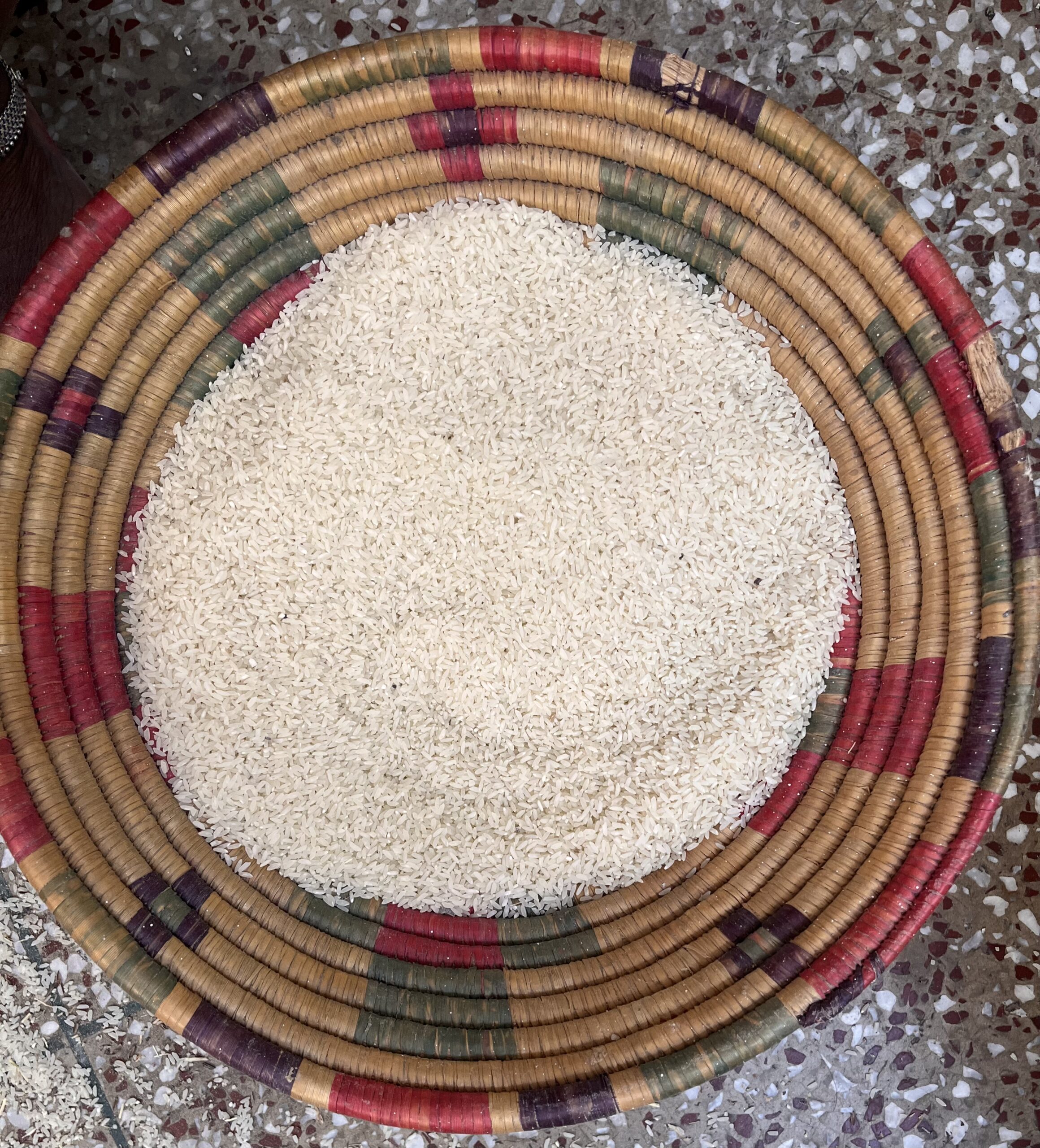
Kala Namak rice is one of India’s most distinctive traditional rice varieties. Known for its natural aroma and short grain structure, it has been cultivated for generations in the Terai belt of eastern Uttar Pradesh.
Among these regions, Siddharthnagar district is the officially recognised G.I.-tagged origin and ODOP (One District One Product) district associated with Kala Namak rice.
Healing Grain is a family initiative rooted in the same Siddharthnagar landscape where Kala Namak rice has been cultivated for generations.
You can read more about the story behind this work on our
About Kala Namak Healing Farms
page.
Origin of Kala Namak Rice
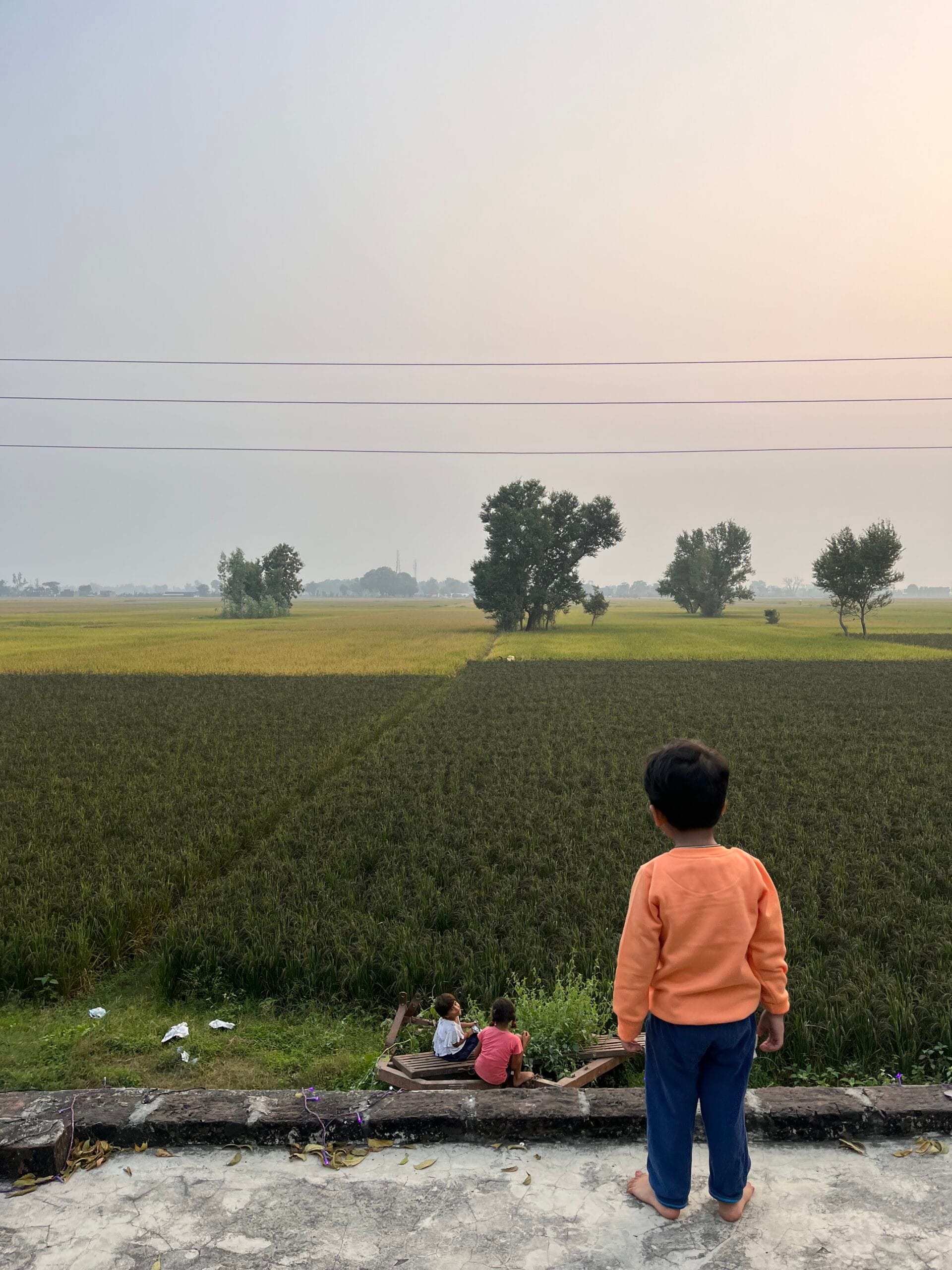
Kala Namak rice has historically been cultivated across the Terai belt of eastern Uttar Pradesh, including regions near the Rapti river basin and the ancient Kapilvastu landscape.
Although the crop grows across the Terai region, Siddharthnagar remains the officially recognised G.I.-tagged and ODOP district associated with Kala Namak rice.
Our work around heritage rice farming, wetland conservation and rural livelihood is part of a broader long-term effort described in our
Vision 2030 initiative
.
Why Kala Namak Rice Is Unique
Kala Namak rice stands apart from commercial rice varieties because of its natural characteristics:
- Distinct earthy aroma
- Short grain structure
- Traditional cultivation practices
- Connection with Terai wetland ecosystems
Unlike factory-polished rice, traditional Kala Namak rice is typically milled with minimal polishing so that the grain retains its natural aroma and character.
Traditional Long Duration Crop
Traditional Kala Namak rice is a long-duration crop that takes approximately 160–180 days to mature.
This slow growth allows the grain to develop deeper aroma and structure compared to faster commercial rice varieties.
Hybrid vs Original Kala Namak Rice
In recent decades several improved and high-yield rice varieties related to Kala Namak have been introduced. These varieties help increase productivity but may differ from the traditional long-duration crop.
Authentic Kala Namak rice usually has:
- Long crop duration
- Traditional seed lineage
- Lower yield but stronger aroma
- Closer connection with Terai soil ecosystems
For a deeper explanation you can read our detailed article on
Original vs Hybrid Kala Namak Rice
.
Nutritional Profile of Kala Namak Rice
Traditional rice varieties such as Kala Namak often contain naturally occurring minerals and aromatic compounds developed during slow growth cycles. Minimal polishing helps preserve more of the grain’s natural structure.
Kala Namak Rice and Diabetes
Kala Namak rice is sometimes discussed in relation to blood sugar management. Traditional varieties generally produce a lower glycemic response compared to highly polished white rice. Social media driven sites from all over India are selling this as low GI and cure for diabetes
However dietary needs vary between individuals. People with diabetes should consult healthcare professionals before making dietary changes.
Kala Namak Rice vs Basmati Rice
| Feature | Kala Namak | Basmati |
|---|---|---|
| Grain Type | Short grain aromatic | Long grain aromatic |
| Origin | Siddharthnagar Terai | Himalayan foothills |
| Crop Duration | 160+ days | Medium duration |
| Aroma | Earthy traditional aroma | Floral aroma |
How to Identify Authentic Kala Namak Rice
- Check origin district
- Ask about seed lineage
- Look for natural aroma after cooking
- Avoid highly polished cosmetic rice
How to Cook Kala Namak Rice
- Soak rice for 20–30 minutes
- Use roughly 1 part rice to 2.5 parts water
- Cook slowly to allow aroma to develop
Where to Buy Authentic Kala Namak Rice
Consumers should verify the origin district and seed lineage before purchasing Kala Namak rice.
If you are looking for authentic Kala Namak rice grown in its native Terai landscape you can explore the current batch available through Healing Grain.
Rooted in Siddharthnagar — the G.I.-tagged and ODOP recognised district of Kala Namak rice.