
Everything About Kala Namak Rice
Complete guide to Kala Namak rice — origin, GI tag, authenticity, nutrition, cooking and where to buy
Origin • History • GI Tag • Nutrition • Authenticity • Cooking • Buying Guide
Quick Summary
✔ Origin: Siddharthnagar and ten neighbouring districts of eastern Uttar Pradesh, GI-tagged since 2013
✔ History: In cultivation since the Buddhist era (~600 BC), also called “Buddha Rice”
✔ Type: Traditional aromatic heritage rice, not a hybrid
✔ Crop duration: 160–180 days
✔ Known for: Natural aroma, light digestion, minimal processing
✔ Cooking: No soaking required
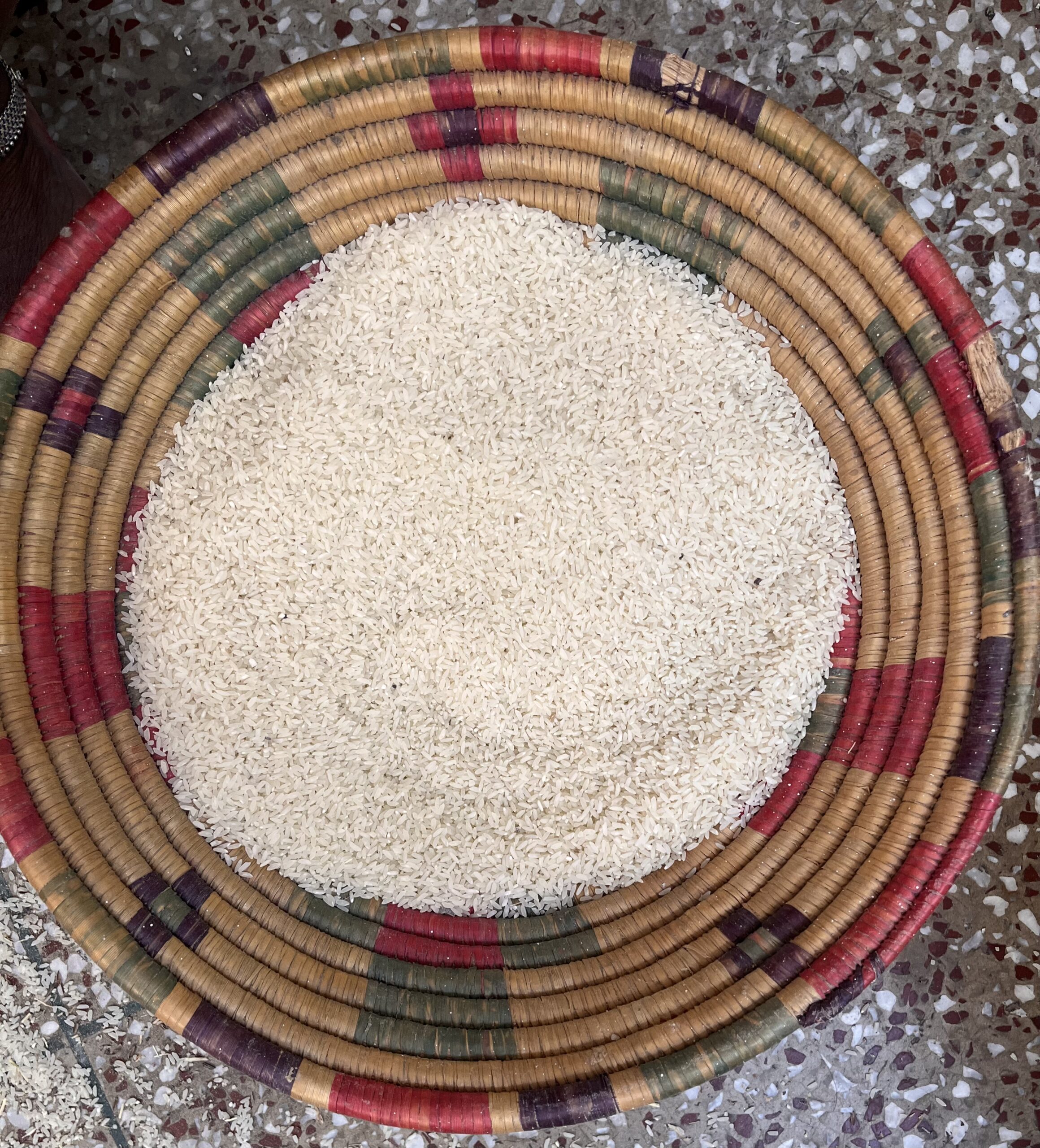
Kala Namak rice is one of India’s most distinctive traditional rice varieties, cultivated for generations in the Terai belt of eastern Uttar Pradesh. It carries a Geographical Indication (GI) tag, a documented multi-century history, and a growing body of agricultural research behind it — which is part of why it’s worth understanding properly before you buy it.
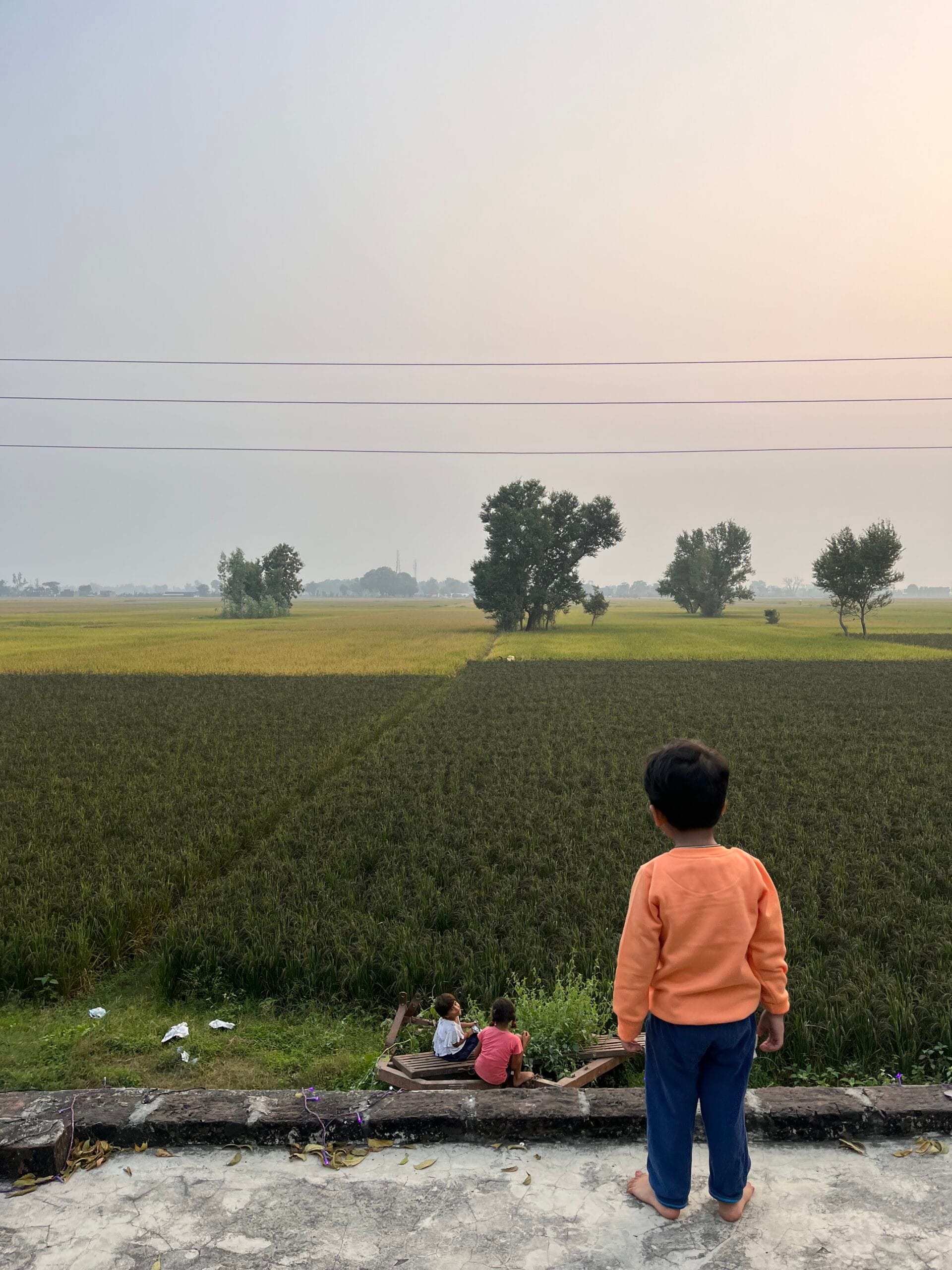
At Healing Grain, we grow this rice in our own fields in Village Gauri, Tahseel Dumariyaganj, Siddharthnagar — focusing on quality over volume. This page is meant to be a straightforward reference on the variety itself, whether or not you ever buy from us.
About Kala Namak Healing Farms →
Origin of Kala Namak Rice
Kala Namak rice takes its name from its black husk (“kala” means black, “namak” means salt). It has been cultivated in this region since the Buddhist era, roughly 600 BC, and archaeological grain remains have been found at Aligarhwa in Siddharthnagar district, near the Nepal border. Because of its historical association with the region where Buddha is believed to have lived and taught, it’s also sometimes called “Buddha Rice.”
The variety is officially grown across Siddharthnagar and ten neighbouring districts of the Terai belt in eastern Uttar Pradesh — the region defined under its Geographical Indication registration. You can read the district administration’s own account of the crop and the “One District One Product” programme built around it on the
Siddharthnagar district government website.
The GI Tag: What It Actually Means
Kala Namak rice holds a Geographical Indication (GI) tag from the Government of India — a legal certification (Application No. 205) confirming that rice grown within the defined belt of eastern Uttar Pradesh, using this specific traditional variety, can be called “Kalanamak rice.” You can look up the official registration directly on the
Geographical Indications Registry of India.
It’s worth being precise about what a GI tag does and doesn’t guarantee: it certifies regional origin and variety, not the practices of any one farmer or seller. When you buy Kala Namak rice from any source, the GI tag alone doesn’t tell you how it was grown, processed or handled — that part still comes down to who you’re buying from. A general overview of the variety’s history and GI status is also available on
Wikipedia.
Why Kala Namak Rice Is Unique
- Natural earthy aroma, considered among the strongest of India’s scented rice varieties
- Short, slender grain structure with a distinctive black husk
- Traditional slow cultivation over a long growing season
- Grown in the wetland-adjacent soils of the Terai belt
Traditional Long Duration Crop
Kala Namak takes around 160–180 days to mature — considerably longer than most modern high-yield paddy varieties. That extended growing period is part of why the acreage under traditional Kala Namak cultivation declined sharply through the late 20th century, as farmers shifted to faster, higher-yield hybrids. In recent years, government agencies and research bodies — including the
International Rice Research Institute (IRRI), which has supported Uttar Pradesh’s efforts to popularise the variety — have been working to bring cultivation back.
Hybrid vs Original Kala Namak Rice
- Traditional: low yield per acre, long growing season, strong natural aroma
- Hybrid or mislabelled rice sold under the same name: higher yield, shorter duration, weaker or absent aroma
Read our detailed comparison on identifying authentic Kala Namak rice →
Nutritional Perspective
Traditional, minimally milled rice like Kala Namak generally retains more of its bran and germ layer than heavily polished commercial rice, which is where most of a rice grain’s natural fibre and micronutrients are concentrated. Exact nutrient content varies by soil, season and post-harvest processing, so we’d rather point you to the crop’s documented general characteristics than make specific health claims about any one batch, including our own.
How to Cook Kala Namak Rice
No soaking required.
- Rinse lightly
- Use 1:2 to 1:2.5 water
- Cook on low flame
- Avoid over-stirring
Soaking may reduce aroma due to the grain’s delicate structure.
Where to Buy Authentic Kala Namak Rice
Authenticity depends on source and farming practices, not the name on the packet alone — the GI tag confirms the variety and region, but not any individual grower’s methods. Healing Grain works directly from our own farms and nearby farmers in Siddharthnagar, and we’re upfront that we’re a small operation, not a large commercial supplier. You can read more about who we are on our
home page.
Frequently Asked Questions
Do we need to soak Kala Namak rice before cooking?
No, Kala Namak rice is a delicate and naturally aromatic grain. Soaking is not required and may reduce its aroma.
Is Kala Namak rice good for daily use?
Yes, Kala Namak rice is light on digestion and suitable for regular consumption.
Where is original Kala Namak rice grown?
Authentic Kala Namak rice is grown in Siddharthnagar and ten neighbouring districts of eastern Uttar Pradesh, the officially recognised GI-tagged belt.
Why is Kala Namak rice not widely available?
Because it is a traditional long-duration crop with low yield per acre compared to hybrid paddy, it is produced in limited quantities.
What does the GI tag on Kala Namak rice actually guarantee?
It legally certifies that the rice was grown within the officially defined geographical belt in eastern Uttar Pradesh, using the recognised Kalanamak variety — not that any specific seller’s batch has been independently tested. You can verify the registration directly on the official GI registry.
Rooted in Siddharthnagar — the native GI region