Vision 2030 — A Wetland-Linked Healing Landscape & Heritage Farming Mission
Vision 2030 is the long-term roadmap of Kala Namak Healing Farms — a quiet, soil-based ecosystem growing near the Gauri–Rapti wetland in Siddharthnagar.
It brings together heritage farming, wetland awareness, village livelihoods and a slower, more dignified way of living.
This page describes where we hope to go over the next decade — a direction we’re working toward, not a commitment already delivered. Today, what we actually grow and sell each season is still small, and stays that way by choice.
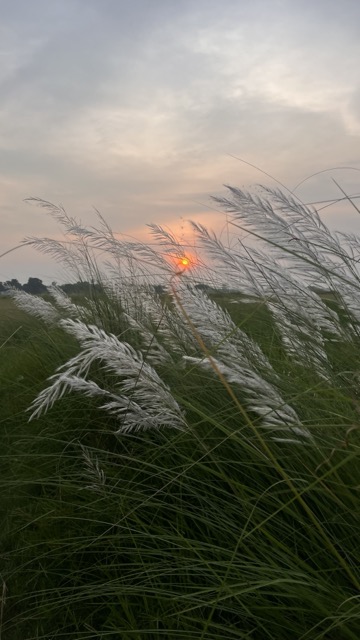
A beautiful sunset at Kala Namak Healing Farms wetland area.
Why This Vision Exists
Many people today are not searching for destinations — they are searching for places where the mind slows down naturally.
This landscape, shaped by wetlands, soil memory and village rhythm, offers that possibility.
Vision 2030 is built on a simple belief:
healing begins when land, water and people live without rush.
A Hundred-Year Way of Thinking
In Japanese thought, there exists an idea sometimes described as “Hyaku-nen keikaku” — a hundred-year plan.
Some things are too alive to be built in haste:
soil, wetlands, trees, farming traditions, trust and places that help people heal.
Vision 2030 is not imagined as a finished destination.
It is an attempt to begin honestly — so future generations may continue the path in their own way.
The Gauri–Rapti wetland belt — spread across nearly 1,000 acres — sustains Sarus cranes, migratory birds, aquatic ecosystems and native long-duration crops like Kala Namak rice.
Vision 2030 supports awareness and gentle protection of this living floodplain landscape.
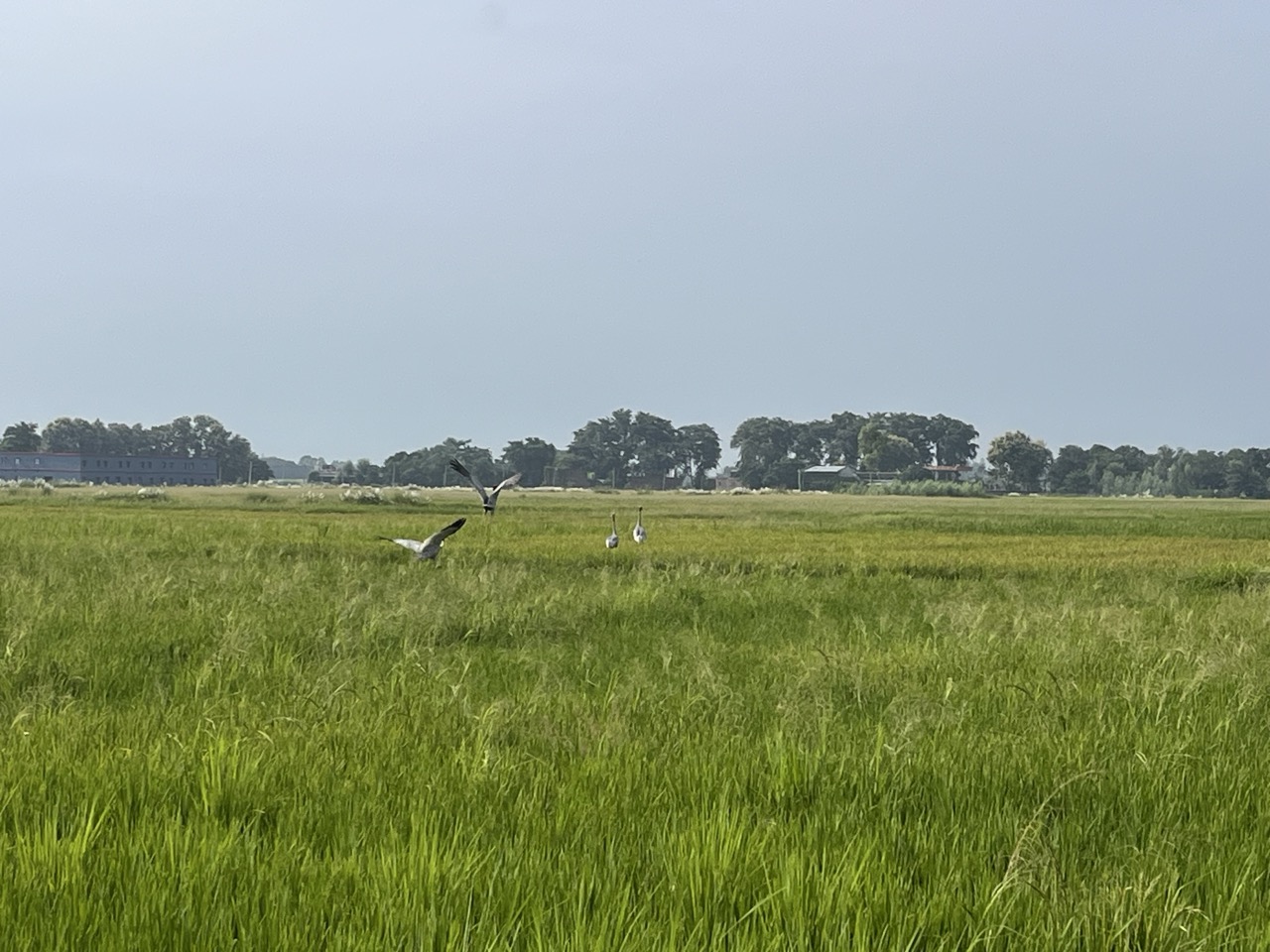
The wetland these cranes depend on is the same one our rice has always grown beside.
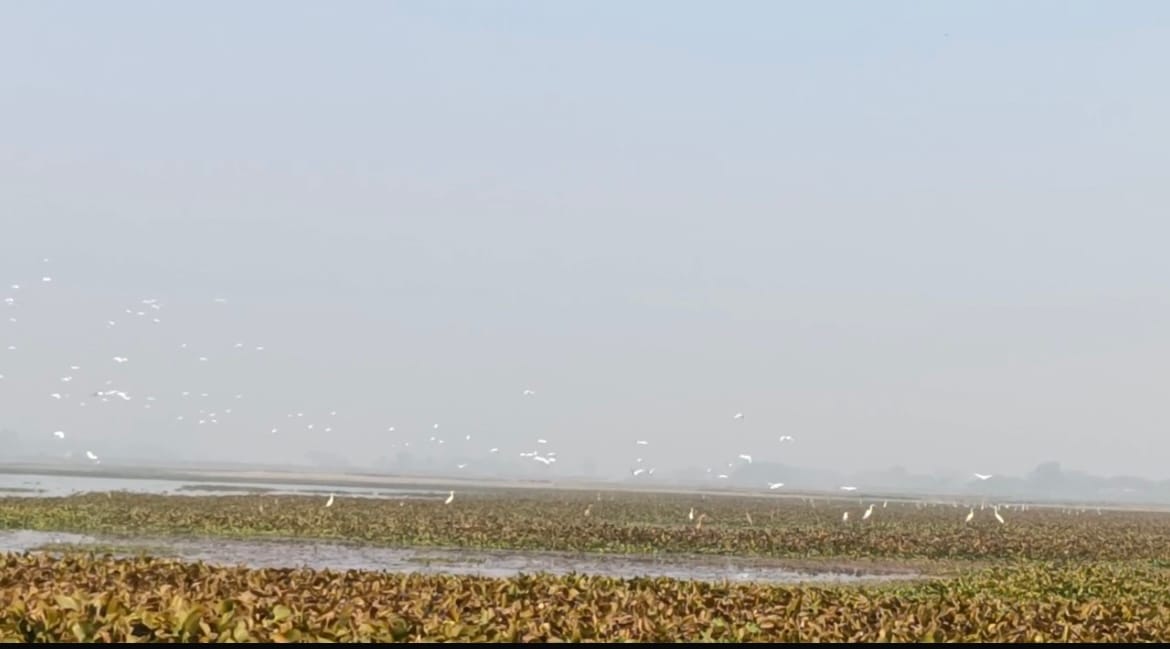
The Gauri–Rapti wetland landscape during monsoon recharge — seasonal water, fertile floodplain soils and village ecology continue to shape this region quietly.
Kala Namak Healing Farms — The Economic Base
Kala Namak Healing Farms works directly with original long-duration Kala Namak rice.
The neighbouring Dumariyaganj villages still grow this variety mostly for home use.
Rising demand and limited production have created a natural gap —
and the region that owns the heritage is best placed to revive it.
We operate a clean, slow and transparent supply chain:
sourcing, cleaning, storage and small-batch fulfilment — all done responsibly.
“A household of doctors, bankers and farmers — still rooted in the same soil.”
40-Village Cluster Model (2025–2030)
Vision 2030 focuses on building a village-led revival of Kala Namak rice across
20–40 villages of the Dumariyaganj–Gauri belt.
The model is simple, slow and ethical:
- Free or subsidised original Kala Namak seeds
- Support from experienced farmers and agri officers
- Guaranteed buyback at fair rates
- Instant payment to build trust and confidence
- Women SHG involvement for post-harvest work
This creates a traceable GI-based rural identity while generating employment and restoring pride in heritage grains.
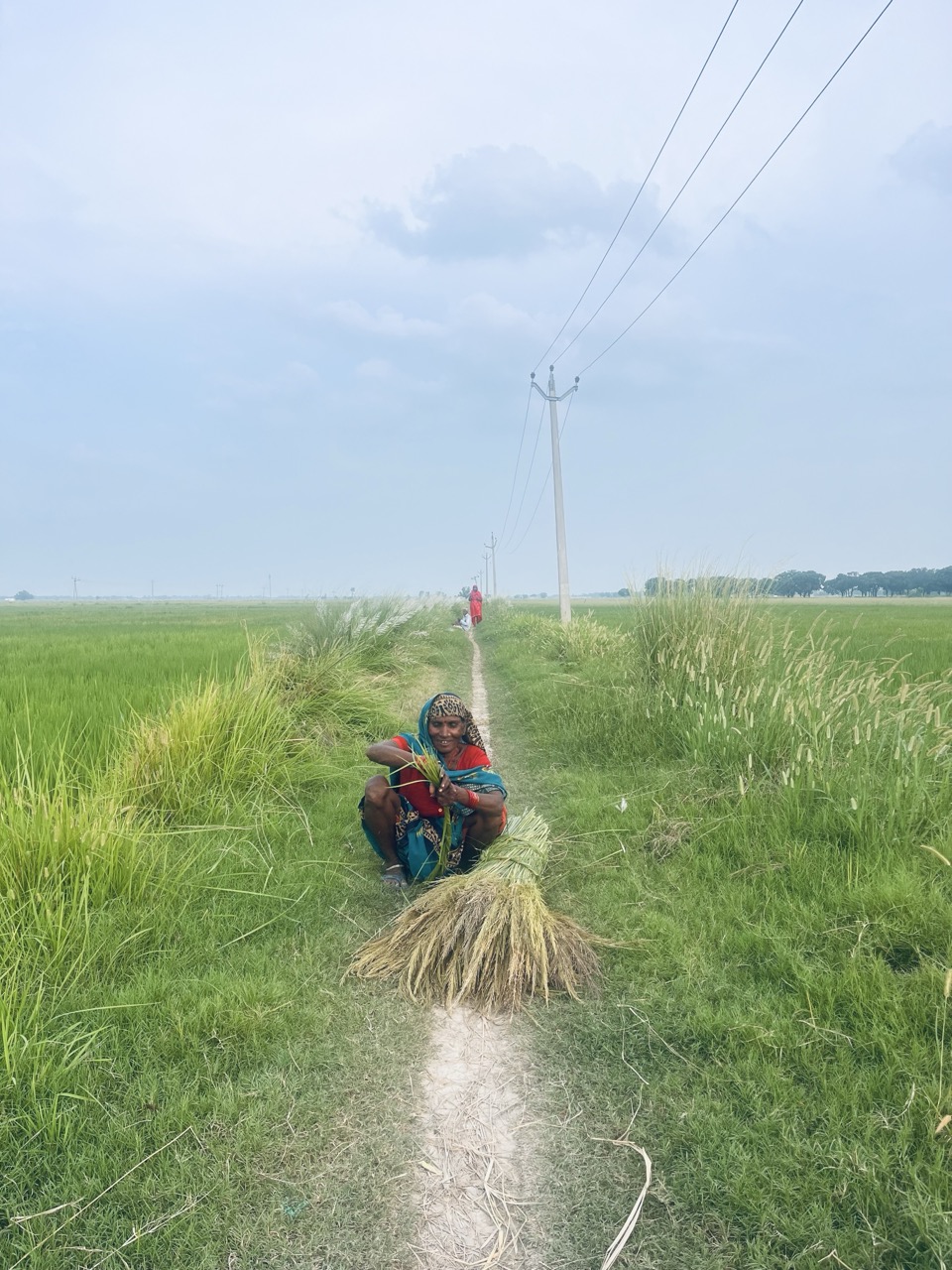
Women remain at the heart of post-harvest work, seed memory and the continuity of traditional farming cultures across the Siddharthnagar belt.
Kala Namak Processing & Value-Addition Unit (2026–2030)
A small-scale, FSSAI-compliant processing unit is planned to give the region its own secure supply chain.
The unit will:
- Procure directly from farmers
- Ensure zero-adulteration and purity
- Enable scientific storage for year-round stability
- Provide employment to women’s groups
- Build a self-sustaining rural economic base
This is not imagined as a factory —
it is a quiet, ethical livelihood model aligned with heritage and ecological continuity.
The Eco-Farmstay (2030–2040)
Vision 2030 imagines a small, restraint-based farmstay built with mud, bamboo and local materials.
Only a few cottages — designed to blend quietly into the land.
Visitors experience village life, seasonal farming rhythms, wetland walks and slower forms of living rarely found in cities anymore.
Over time, the landscape may also support small spaces for long-stay healing, elderly well-being and nature-rooted living —
guided not by luxury, but by dignity, ecology and human connection.
Some landscapes cannot be rushed into existence.
“इस दुनिया में कितनी दुनियाएं ख़ाली पड़ी रहती हैं —
जबकि लोग गलत जगह पर रहकर सारी ज़िंदगी गंवा देते हैं।”
So many worlds lie empty — while people spend their lives in the wrong one.