
Original vs Hybrid Kala Namak Rice — How to Identify and Buy Authentic Kala Namak Rice
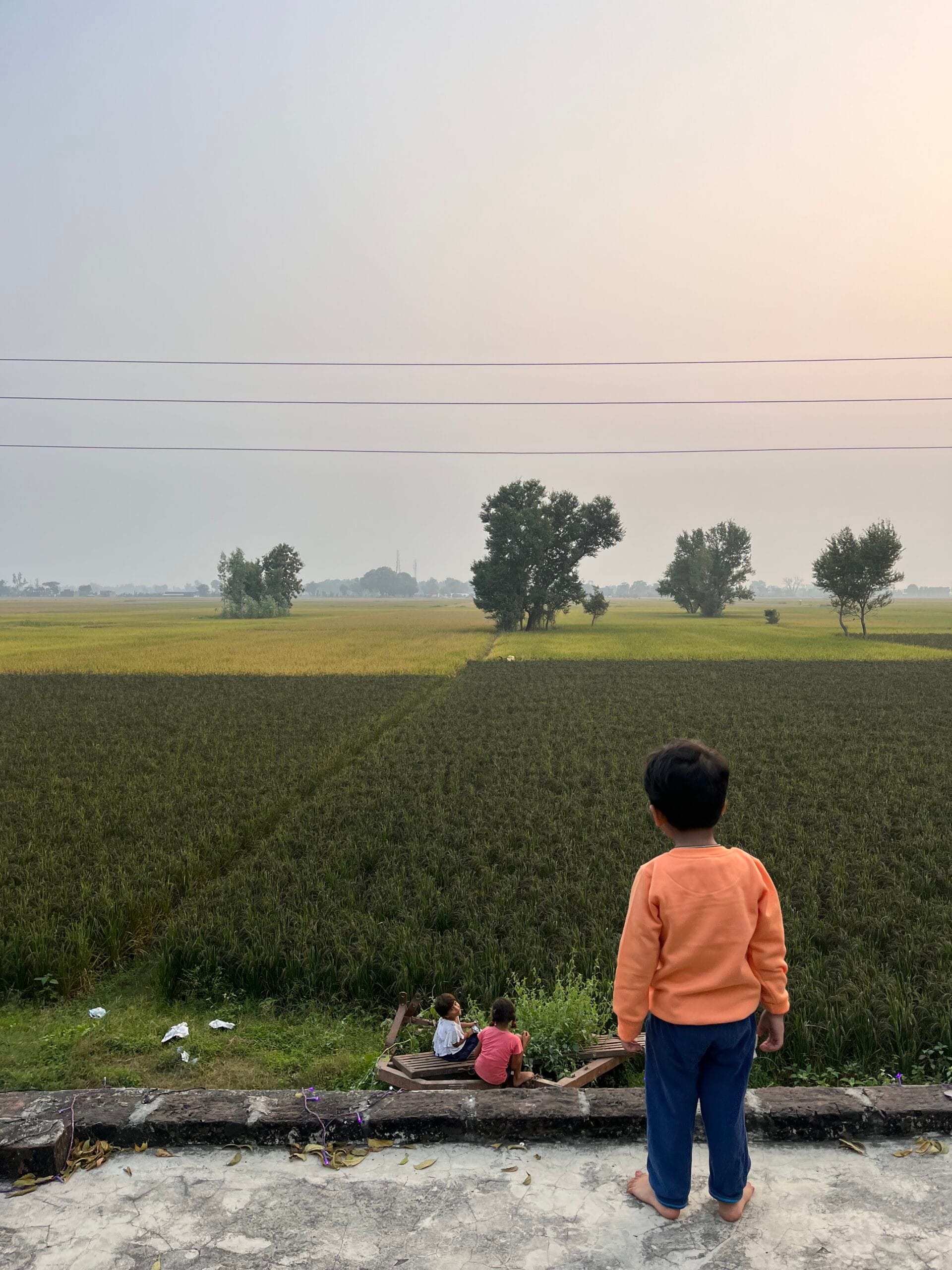
Kala Namak rice is one of India’s most remarkable heritage grains. Known for its distinctive aroma and cultural history, this traditional rice has been cultivated for centuries in the Terai belt of eastern Uttar Pradesh and the plains of Nepal.
Many consumers searching for original Kala Namak rice today often wonder whether the rice available in the market is the traditional long-duration variety or a hybrid or improved variant. As the popularity of Kala Namak rice grows across India, understanding this difference has become increasingly important.
What Is the Original Kala Namak Rice?
The original Kala Namak rice is a traditional landrace variety historically cultivated in the wetlands of the Terai region. Farmers in districts such as Siddharthnagar, Basti, Sant Kabir Nagar and Gorakhpur have preserved this rice for generations through local seed saving and traditional farming practices.
Key characteristics of traditional Kala Namak rice include:
- Long crop duration of around 160–180 days
- Tall plant height
- Moderate yield compared with modern rice varieties
- Distinct natural aroma
- Soft texture after cooking
Because of its longer crop cycle, this traditional rice requires patience and careful cultivation. Historically, it thrived in the fertile floodplains and wetland ecosystems of the Rapti basin.
Why Hybrid or Improved Kala Namak Varieties Exist
Traditional Kala Namak rice produces lower yields and the plants tend to grow tall, which makes them prone to lodging during storms or heavy rains. To help farmers increase production and make cultivation easier, agricultural research institutions later developed improved Kala Namak variants.
These improved varieties were created through selective breeding and genetic improvement to provide:
- Higher yield
- Shorter plant height
- Better resistance to lodging
- Slightly shorter crop duration
Examples of such improved lines include varieties like Pusa Narendra Kala Namak developed by agricultural research institutes. While these varieties help improve productivity, they are not identical to the traditional long-duration Kala Namak rice historically grown in the Terai region.
Why Market Confusion Happens
As Kala Namak rice becomes popular in urban markets, many brands sell rice under the Kala Namak name without clearly explaining which variety is being sold.
Consumers are often not informed about:
- The exact variety of the rice
- Whether it is traditional or improved
- The original cultivation region
In some cases, exaggerated marketing claims are also used, especially regarding glycemic index or diabetes. While Kala Namak rice is a nutritious heritage grain, it should still be considered a food product rather than a medical treatment.
Why the Terai Region Matters
Kala Namak rice has received a Geographical Indication (GI) tag recognizing the Terai belt of eastern Uttar Pradesh as its native cultivation zone. The districts historically associated with this rice include Siddharthnagar, Basti, Sant Kabir Nagar, Gorakhpur and nearby regions.
The soil composition, wetland ecology and traditional farming knowledge of this region play an important role in developing the distinctive aroma of Kala Namak rice.
How to Identify Authentic Kala Namak Rice
Before buying Kala Namak rice, consumers should ask a few important questions:
- Which variety of Kala Namak rice is this?
- Is it the traditional long-duration crop or an improved hybrid?
- Where was the rice grown?
- Is the seller transparent about the origin?
Authentic heritage rice is usually available in limited batches because traditional crops produce lower yields compared with modern varieties.
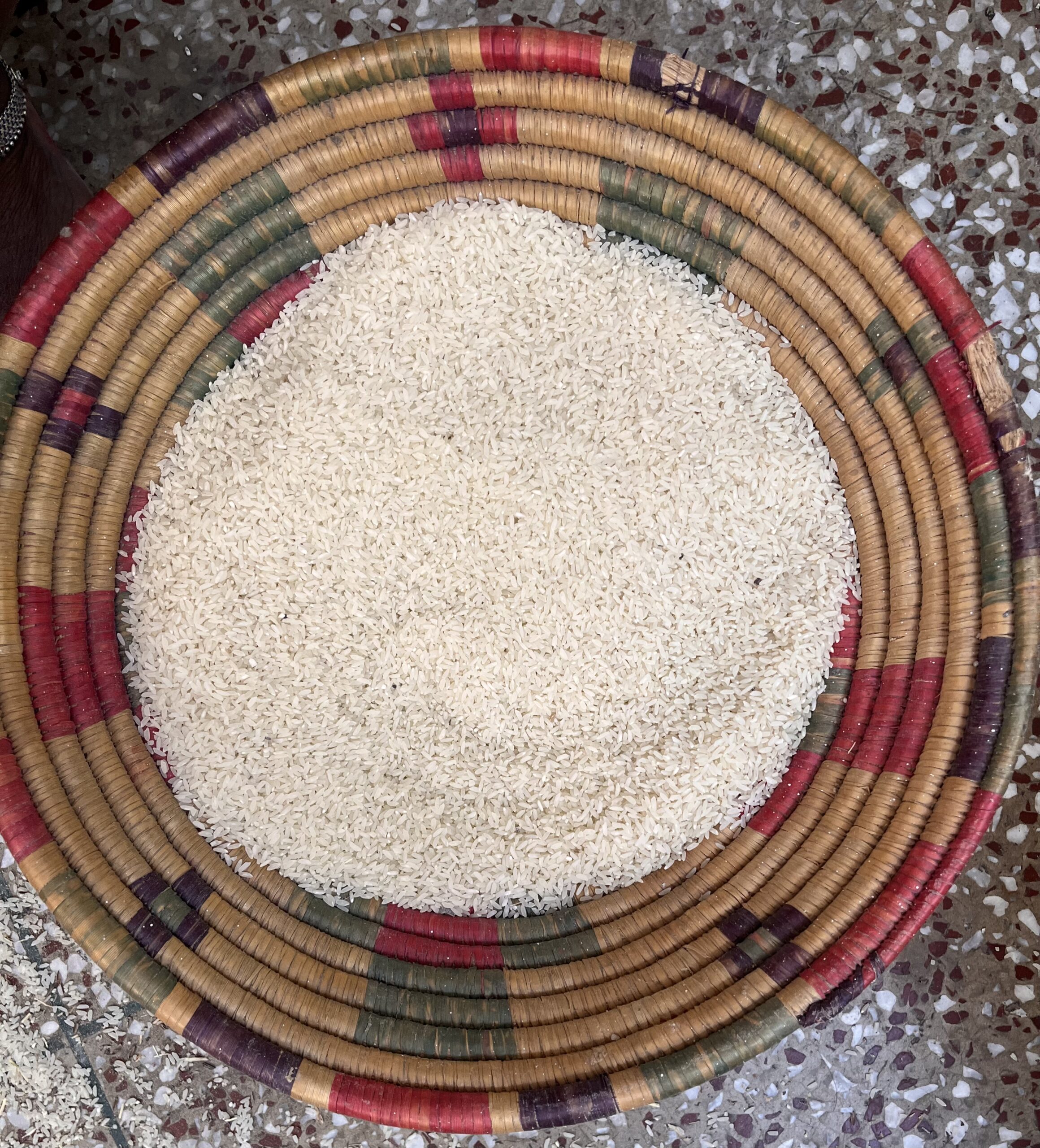
Reviving Traditional Kala Namak Rice
At Kala Namak Healing Farms, we are working toward reviving the traditional long-duration Kala Namak rice cultivated in Siddharthnagar — the native GI-tagged district of this heritage grain.
The same rice has been grown and consumed in our homes and villages for generations. Our effort focuses on small-batch cultivation, direct sourcing from trusted local farmers and complete transparency about rice origin and variety.
Instead of chasing large volumes, the aim is to protect the authenticity of this heritage grain while ensuring that both farmers and consumers remain connected to the original Terai roots of Kala Namak rice.
Conclusion
Kala Namak rice represents a unique agricultural heritage of the Terai landscape. As awareness grows, consumers can play an important role in protecting this legacy by supporting transparent sourcing and authentic traditional varieties.
Interested in authentic Kala Namak rice from Siddharthnagar?
Explore our current small batch here