
Kala Namak Rice and Diabetes: What the Glycemic Index Actually Tells You
Not medical advice. This article shares general food-science background on glycemic index and heritage rice. It is not a claim that Kala Namak rice treats, manages, or is suitable for diabetes. If you have diabetes or are managing blood sugar, please consult your doctor or a registered dietitian before changing your diet.
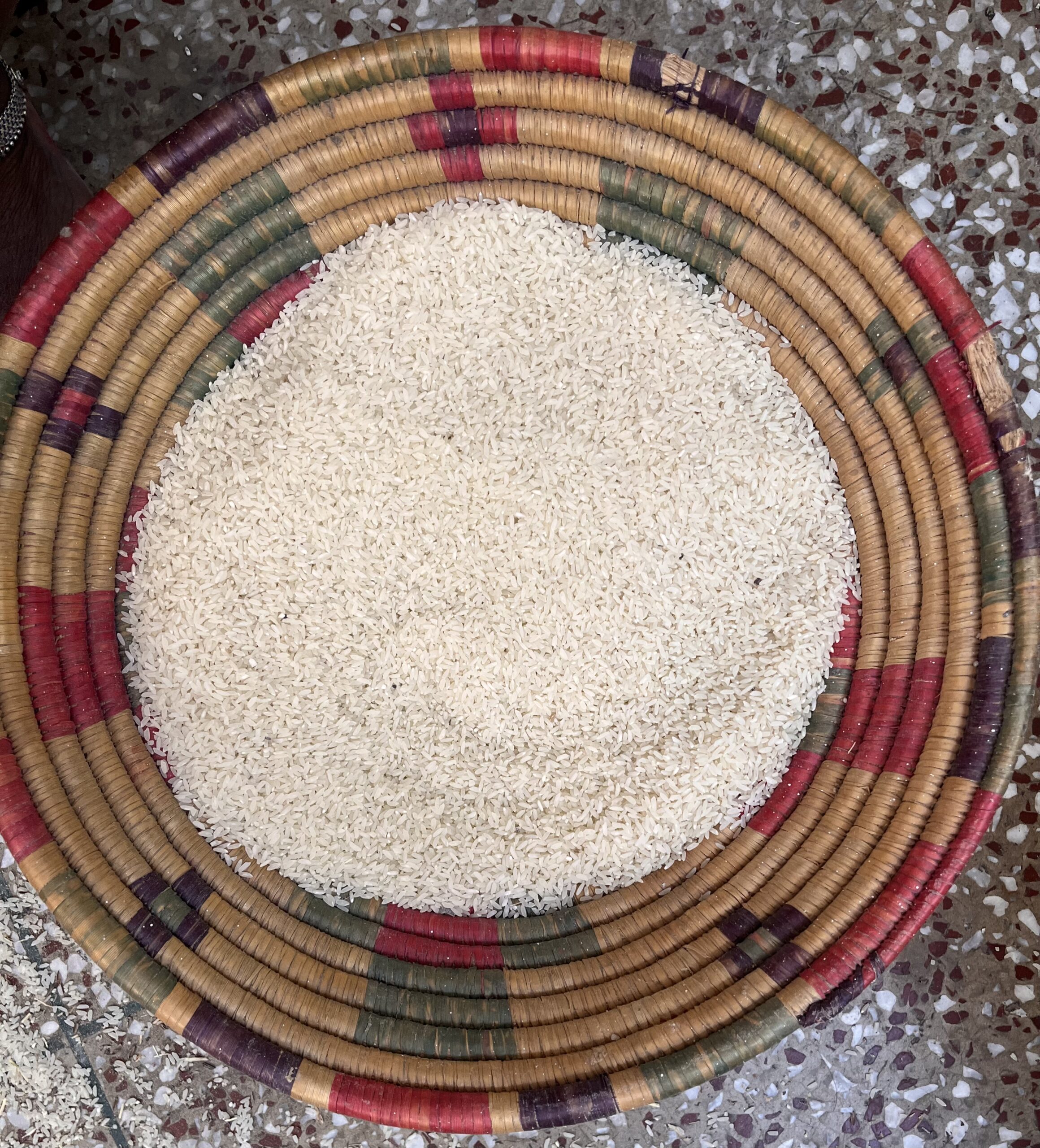
Kala Namak rice is a long-duration heritage grain traditionally grown in Siddharthnagar, Uttar Pradesh. People sometimes ask how it compares to polished white rice in terms of glycemic response. This article explains the general science behind that question — not specific claims about our product, which we have not independently lab-tested.
Understanding Glycemic Index (GI)
The Glycemic Index (GI) is a standardized laboratory measure showing how quickly carbohydrates in a specific tested food sample are converted into glucose in the bloodstream after eating.
Foods are broadly classified as:
- Low GI (≤55) — Slower glucose release
- Medium GI (56–69) — Moderate glucose release
- High GI (70+) — Rapid glucose release
GI values come from testing specific samples in a lab — they can vary by variety, growing conditions, milling and how a food is cooked, so no single number applies to an entire crop or region.
Why Less-Milled Grains Are Often Discussed Differently
Modern, high-yield rice varieties are bred and milled for appearance and rapid cooking, which generally reduces structural complexity in the grain.
Kala Namak rice, as a general matter of how it’s grown and processed:
- Is grown for 160+ days in the wetland soils of Siddharthnagar
- Is minimally milled — the grain retains more of its bran and germ than heavily polished rice
- Has the kind of grain structure that, in general nutrition literature, is associated with slower starch breakdown
These are general characteristics of less-processed rice as a category — not a lab-verified result for our specific harvest batches.
What We Can (and Can’t) Say About Kala Namak Rice Specifically
We have not lab-tested our own harvest batches for glycemic index, so we’re not able to state a verified GI number for our rice. What we can say is that it belongs to the general category of minimally milled, long-duration heritage rice — a category that nutrition literature generally places in the low-to-moderate GI range, compared with highly polished white rice.
For context, a regional report by
Dainik Jagran
has covered local agricultural experts discussing Kala Namak rice’s relatively lower glycemic behaviour as a variety. This is third-party commentary on the variety in general, not an independent lab test of our specific batches, and it isn’t medical guidance.
Individual glucose response varies based on metabolism, portion size, medication and food combinations. GI is a general guide for food comparison — not a diagnosis or a treatment claim, and not specific to any one grower’s harvest.
How Rice Types Are Generally Categorised
| Rice Type | General GI Category* | Processing Level |
|---|---|---|
| Polished White Rice | High | High |
| Brown Rice | Medium | Medium |
| Minimally Milled Heritage Rice (general category) | Low–Medium | Low |
*General categories reported in nutrition literature for rice as a food group — not lab-verified figures for our specific harvest.
Nutrient Profile
The exact nutrient profile of any batch varies by soil, season and post-harvest processing. As a general matter, minimally milled heritage rice — as a category — tends to retain more of the bran layer than heavily polished rice, which is where most of a rice grain’s fibre and micronutrients are concentrated.
General Tips for Eating Rice as Part of a Balanced Diet
These are general, widely-recommended habits for eating any rice — not specific to Kala Namak, and not a substitute for medical guidance:
- Watch portion size
- Pair rice with protein (dal, legumes, eggs, paneer) and vegetables
- Avoid eating rice alone on an empty stomach
Who Should Be Cautious?
Every individual metabolizes carbohydrates differently. If any of the following apply to you, please talk to a doctor or registered dietitian before changing your diet — including trying a new type of rice:
- You have diabetes or advanced insulin resistance
- You’re on glucose-lowering medication
- You’re otherwise managing a health condition where diet plays a role
Conclusion
Kala Namak rice is a traditional, minimally milled heritage grain. Like other less-processed rice varieties, it’s generally discussed in nutrition contexts as sitting closer to the low end of the glycemic scale than highly polished white rice — but this is general food-science background about the category, not a lab-verified claim about our specific batches, and it is not medical advice. If blood sugar management is a concern for you, your doctor is the right person to guide that decision.
Curious about the rice itself?
Explore our current batch here