
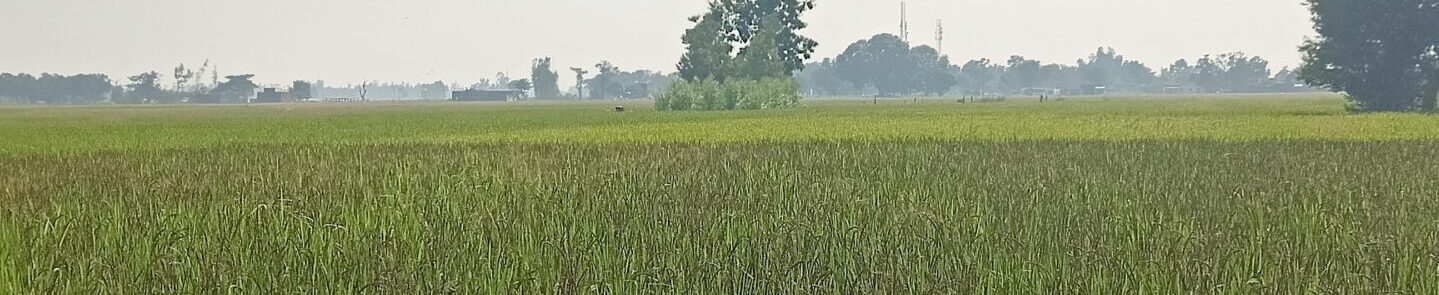
Kala Namak Rice Benefits: Why Native-Grown Healing Grains Improve Quality of Life
Kala Namak rice benefits are not just about nutrition — they are about how food is grown, handled and connected to the land.
In a time where food is increasingly processed and disconnected from its origins, traditional grains like Kala Namak rice offer a return to something more stable, natural and trustworthy.
Native-grown healing grains represent soil intelligence, seasonal balance and food that nourishes without forcing nature.
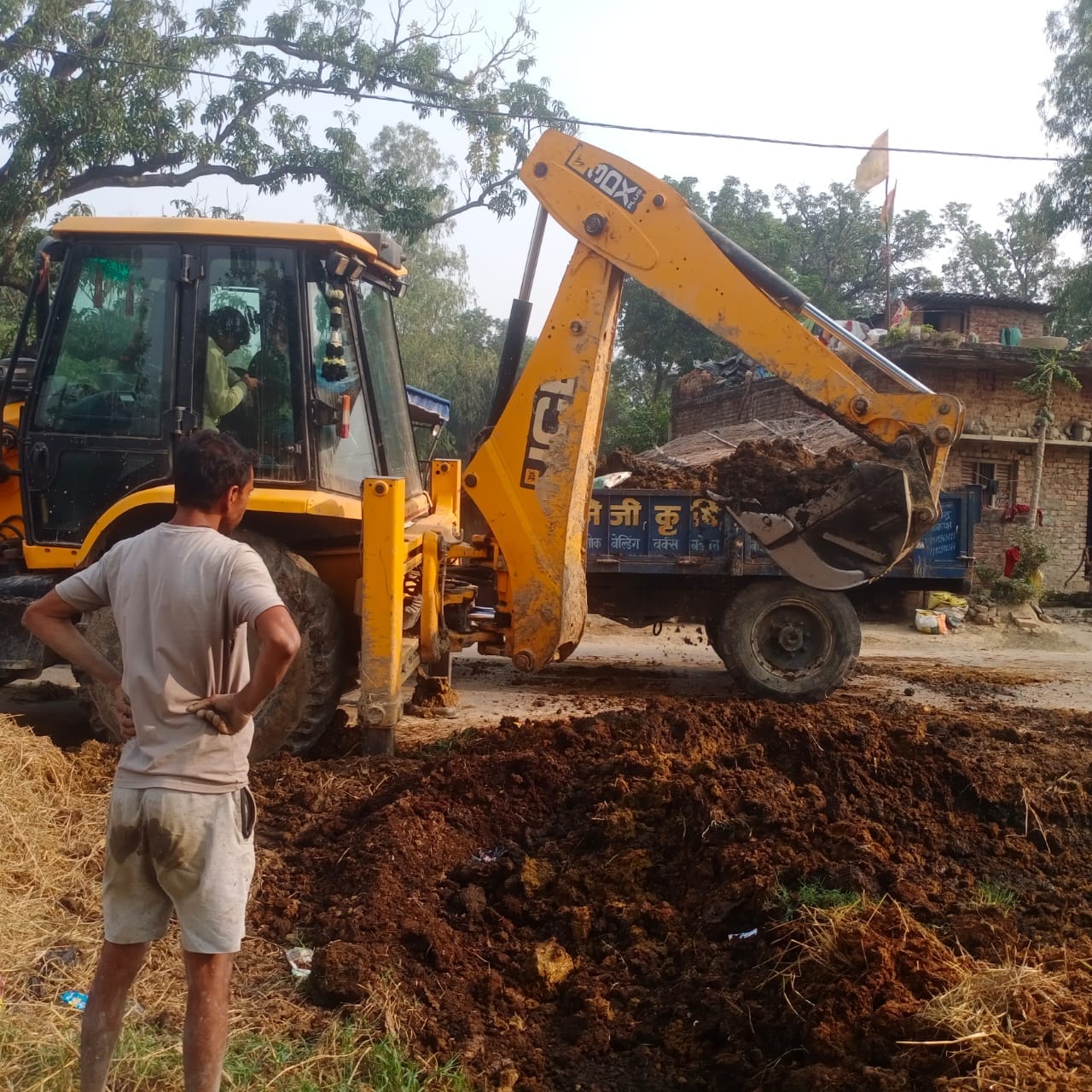
Kala Namak Rice — A Traditional Grain
Kala Namak rice is a GI-tagged heritage rice grown in eastern Uttar Pradesh, especially Siddharthnagar.
Unlike hybrid rice, it grows slowly over 160–180 days — shaped by native soil, climate cycles and water patterns.
Kala Namak Rice Benefits
- Lower glycemic index compared to many polished rice varieties
- Slow energy release
- Light and easy digestion
- Natural aroma from native soil ecosystem
These Kala Namak rice benefits make it relevant for people looking for traditional, minimally processed food options.
Buy Original Kala Namak Rice →
Why Traditional Farming Matters
Traditional grains do not prioritise maximum yield. They prioritise soil health and long-term sustainability.
- Less chemical dependency
- Better soil structure
- Closer farmer–consumer relationship
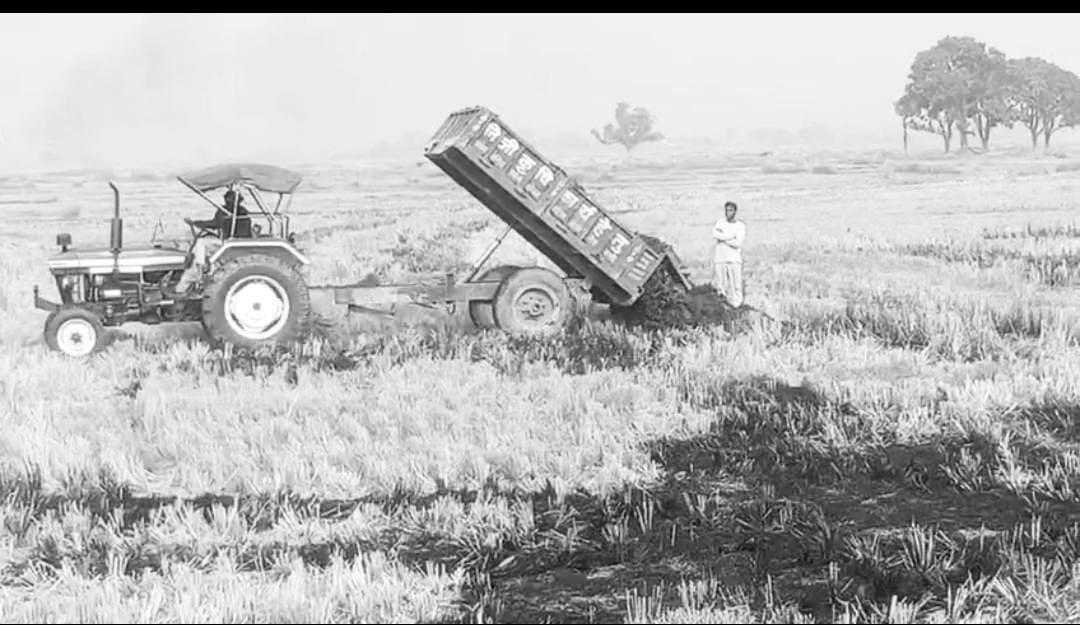
Soil Health and Food Quality
Healthy soil directly impacts food quality. Traditional farming methods focus on compost-based soil care and gradual restoration instead of shortcuts.
Fair Food System
Food today often travels through too many layers.
We believe in a simpler system:
- Fair to the farmer
- Transparent for the consumer
- Direct sourcing wherever possible
Frequently Asked Questions
Is Kala Namak rice healthy?
Kala Namak rice is considered a traditional grain with a lower glycemic response and minimal processing compared to many modern rice varieties.
Is Kala Namak rice better than basmati?
Kala Namak rice is more traditional and less processed, while basmati is often hybrid and polished. Choice depends on preference and purpose.
Why is Kala Namak rice expensive?
It is a low-yield crop grown over a longer duration, making production limited compared to hybrid rice.
From the fields of Siddharthnagar to your kitchen —
one honest grain at a time 🌾