Black Wheat in India – Benefits, Facts & Our Traditional Dalia Launch
Real Grain • Real Process • Healing Grain Initiative
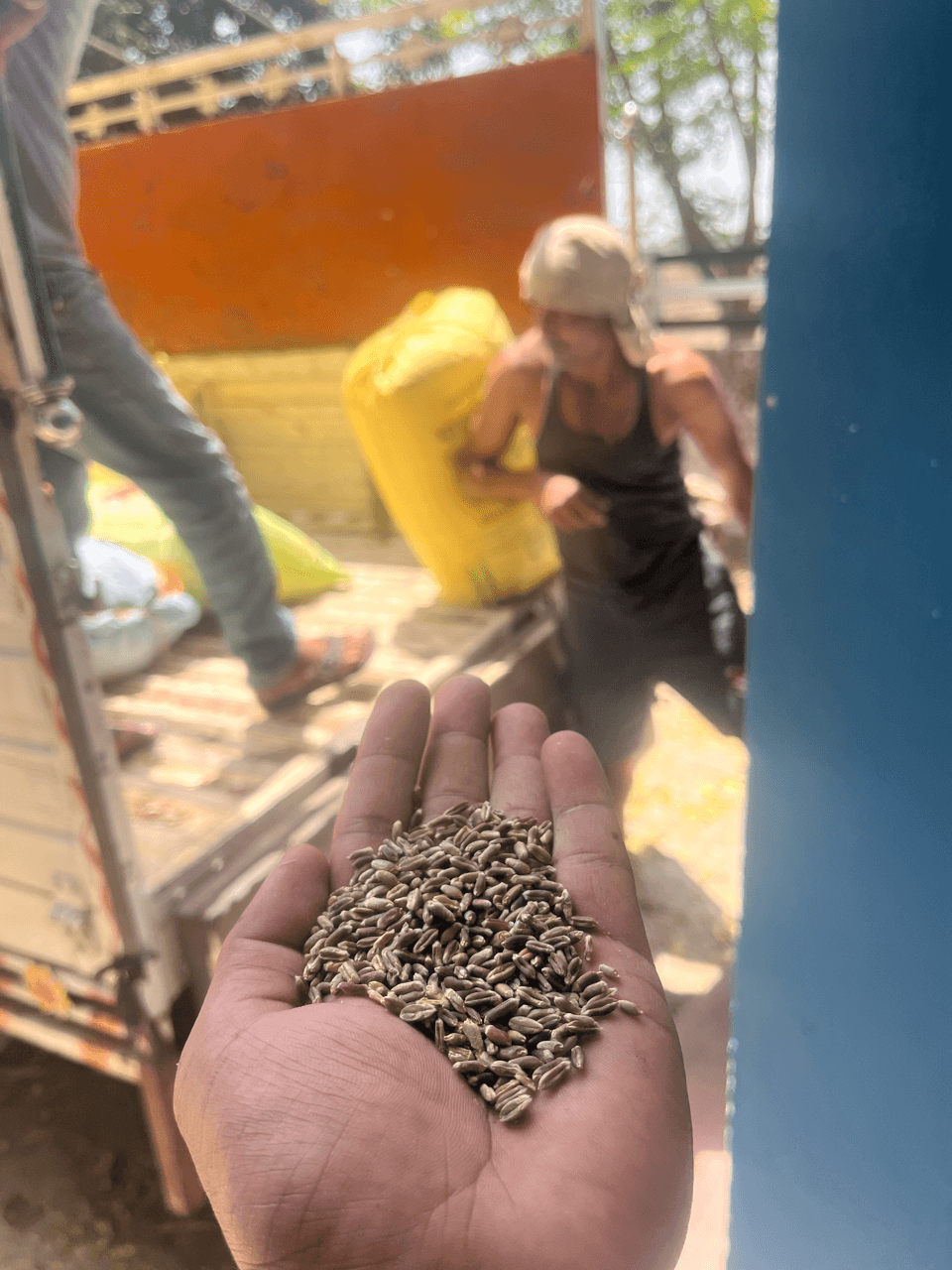
A closer look at black wheat — natural grain structure and texture
Black wheat is not a newly discovered grain, but it is still relatively uncommon in everyday Indian kitchens. While it has been cultivated in certain regions and developed through agricultural research, it has only recently started gaining attention among people looking for more mindful and less processed food options.
At Healing Grain, our approach is simple — not to overstate, but to present food as it is: grown, handled and processed with care.
What Is Black Wheat
Black wheat is a coloured wheat variety developed through conventional breeding methods (not genetic modification). Its darker colour comes from the presence of natural pigments known as anthocyanins — compounds also found in foods like jamun and black rice.
It is not an ancient or “lost” grain, but a relatively newer improved variety that focuses on enhancing certain natural properties of wheat.
Despite this, it has not yet become part of regular household consumption across India.
Black Wheat Benefits – What We Know
Black wheat is often associated with:
- Natural antioxidant presence (due to anthocyanins)
- Dietary fibre
- A deeper, slightly richer grain taste
However, like any food, its benefits depend on overall diet and individual lifestyle. It is not a miracle product — but it can be part of a more balanced and less processed approach to eating.
How Our Black Wheat Is Grown
This batch of black wheat comes from our own fields in Siddharthnagar, in the Terai belt of eastern Uttar Pradesh.
We follow a balanced farming approach:
- Use of traditional inputs like cow-based soil enrichment
- Controlled and limited use of fertilisers
- Focus on soil health over aggressive yield
The goal is not perfection, but direction — a gradual move toward cleaner and more responsible farming practices.
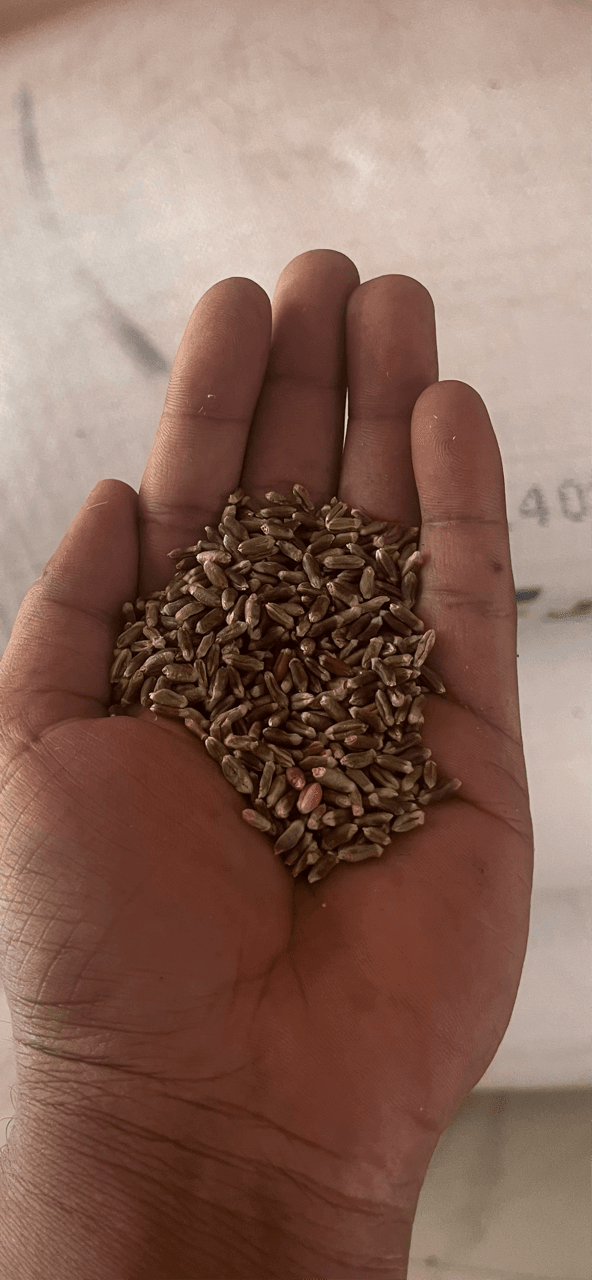
Black wheat grown and handled in small batches through Healing Grain
Why Processing Matters
The way a grain is processed can change its final quality significantly.
Most modern systems prioritise speed and uniformity. At Healing Grain, we are consciously choosing a slower path.
Our black wheat dalia is prepared using traditional stone grinding, often carried out by experienced rural women who have been part of this process for years.
- Small batch production
- No high-speed industrial refinement
- Focus on preserving grain structure and texture
This approach helps retain the natural character of the grain instead of over-processing it.
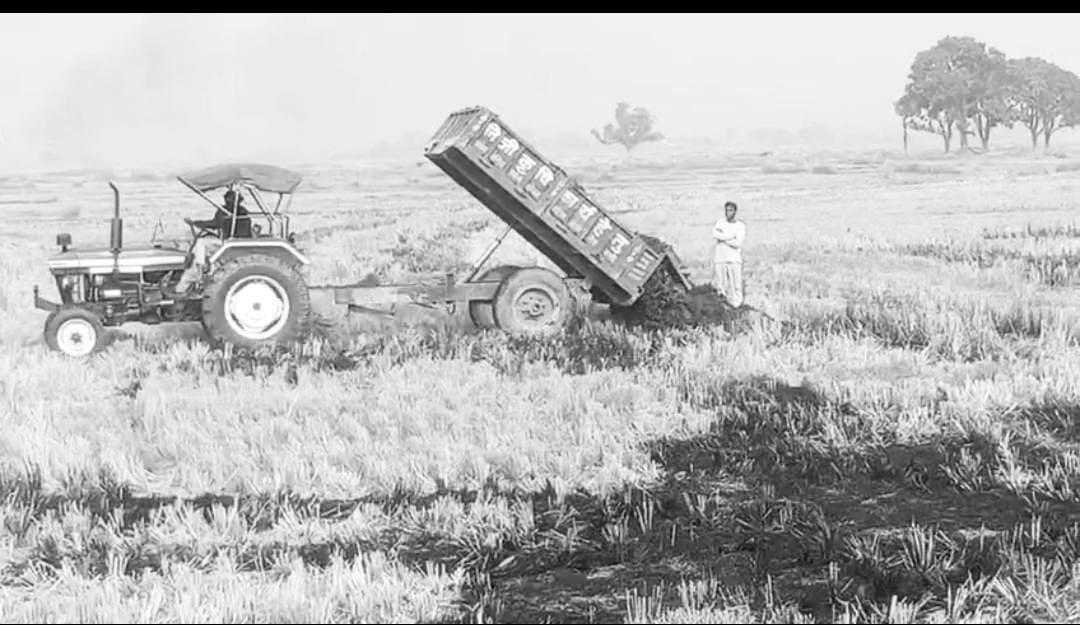
From field to processing — keeping the journey transparent and real
Our Mission at Healing Grain
In a time where food is often treated as a commodity, our effort is simple:
Regular grains. Full trust.
We focus on direct sourcing, small batch handling and maintaining a clear connection between the land and the final product.
No unnecessary layers. No exaggerated claims.
Soft Launch – Black Wheat Dalia & Atta
We are now preparing to introduce our first limited batches of:
- Stone-ground black wheat dalia
- Traditional black wheat atta (small batch)
This will be a soft launch — limited quantity, carefully handled and shared first with our existing customers.
No rush production. No pressure to scale.
Just food prepared with time and attention.
Why This Matters
Not everything needs to be faster or mass-produced.
Some food still carries value in the way it is grown and prepared — slowly, carefully and with accountability.
Black wheat is one such step — not as a trend, but as a quieter return to more thoughtful eating.
Small batches. Real processes. Food with a source.
No artificial pricing , no sell sell pitch. Fair to farmer , fair to consumers is our belief here at Kala Namak Healing Farms