
Is Kala Namak Rice Good for Diabetes? Glycemic Index and Technical Details
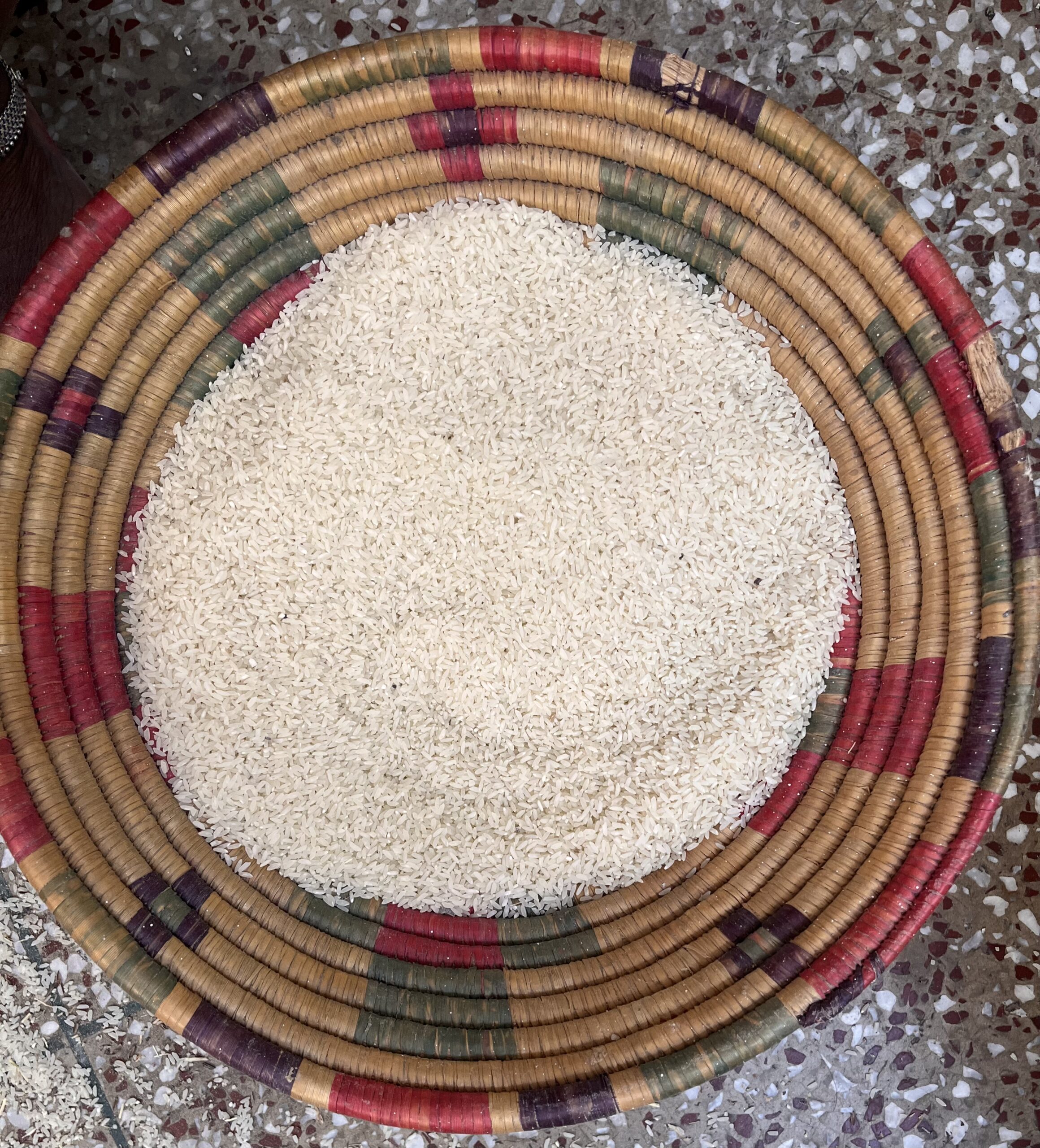
Kala Namak rice — a long-duration, heritage grain grown traditionally in Siddharthnagar (Uttar Pradesh) — is being studied and appreciated as a more balanced rice option for individuals concerned about blood sugar management.
Rather than making unverified health claims, this article explores the *technical aspects* of Kala Namak rice and how they relate to glycemic response, digestion, and nutritional profile.
Understanding Glycemic Index (GI)
The Glycemic Index (GI) is a standardized laboratory measure showing how quickly carbohydrates in food are converted into glucose in the bloodstream after eating.
Foods are classified as:
- Low GI (≤55) — Slow glucose release
- Medium GI (56–69) — Moderate glucose release
- High GI (70+) — Rapid glucose release
Traditional rice varieties that retain structural integrity and natural fiber tend to have a lower GI compared to highly polished white rice.
Why Heritage Grains Like Kala Namak Matter
Modern, high-yield rice varieties are bred and milled for appearance and rapid cooking, which often reduces structural complexity and increases rates of starch digestion.
Kala Namak rice differs because:
- It is grown for 160+ days in nutrient-rich wetland soil
- Milling is minimal — the grain retains its bran and germ
- Its amylose/amylopectin profile digests more slowly
- The grain’s natural fiber slows carbohydrate breakdown
Technical Glycemic Response of Kala Namak Rice
While specific GI lab values can vary across samples, traditional unpolished rice varieties similar to Kala Namak typically register in the low to moderate range (~50–55 GI) in standardized testing. This means:
Regional agricultural experts have also noted the relatively low glycemic nature of traditional Kala Namak rice.
In a field discussion covered by
Dainik Jagran
,
senior agricultural scientists highlighted that Kala Namak rice is considered useful for people managing blood sugar due to its lower glycemic behavior.
- Slower glucose absorption into the bloodstream
- Lower post-meal glucose spikes compared to polished white rice with GI >70
- Better insulin response stability when consumed with balanced foods
Important: Individual glucose response varies based on metabolism, portion size, and food combinations. GI values are guides, not diagnoses.
Comparing Kala Namak Rice with Other Rice Types
| Rice Type | Typical GI Range | Processing Level |
|---|---|---|
| Polished White Rice | 70–90 | High |
| Brown Rice | 55–65 | Medium |
| Kala Namak Rice (Heritage) | ~50–55 | Low |
Nutrient Profile and Structural Benefits
Although the exact nutrient profile can vary by soil, season, and post-harvest processing, traditional heritage rice generally shows:
- Higher micronutrient retention vs polished rice
- Lower net carbohydrate availability per gram due to intact grain structure
- More natural antioxidants and phytonutrients compared with highly refined grains
How to Incorporate Kala Namak Rice in a Balanced Diet
To optimize metabolic response:
- Watch portion size — 1 small bowl per meal
- Pair with proteins (dal, legumes, eggs, paneer) and fiber (vegetables)
- Use slow-cooking/soaking methods before preparation
- Avoid eating rice alone on an empty stomach
Who Should Be Cautious?
Every individual metabolizes carbohydrates differently. Heritage rice may be gentler, but:
- People with advanced insulin resistance should consult a nutritionist
- Those on glucose-lowering medication should seek medical advice before diet changes
- Portion control remains crucial for glycemic management
Conclusion — Practical & Technical Summary
Kala Namak rice is not a cure for diabetes, but its heritage properties — lower processing, structural integrity, and slower glycemic response — make it a more balanced rice option compared to highly polished white rice.
When part of a balanced diet and consumed mindfully, it can support gentler glucose response patterns.
Interested in authentic, G.I.-tagged Kala Namak rice grown in its native wetland belt?
Explore our current batch here
.